Shrinking
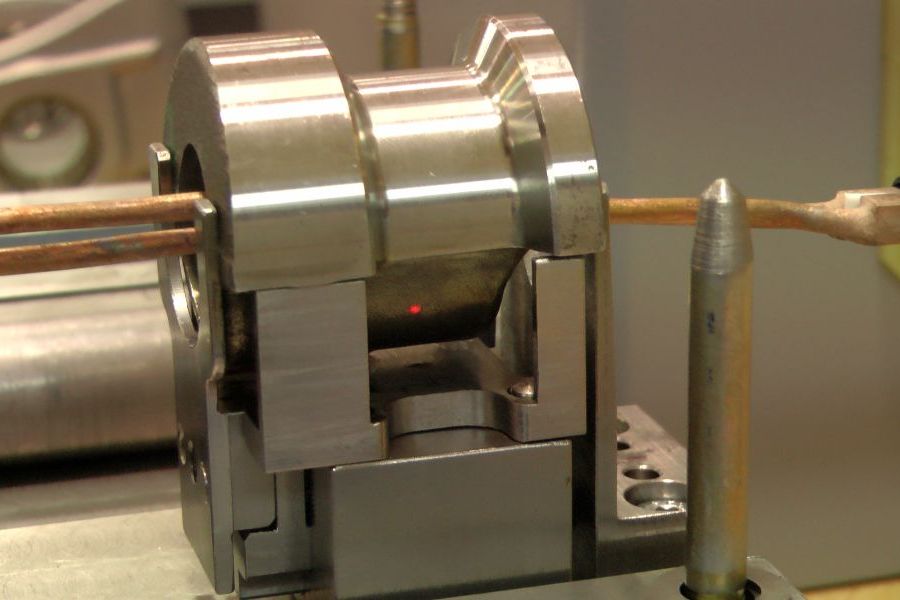
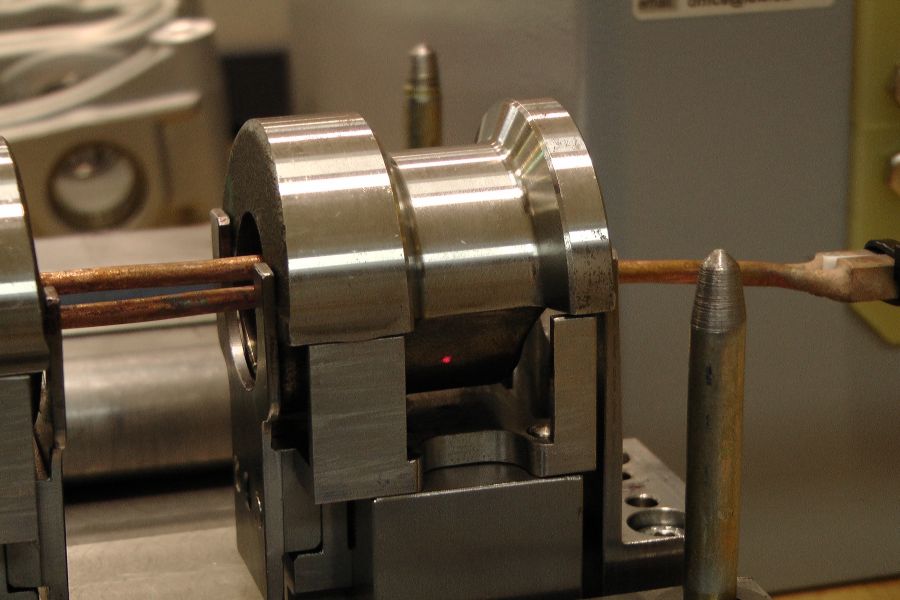
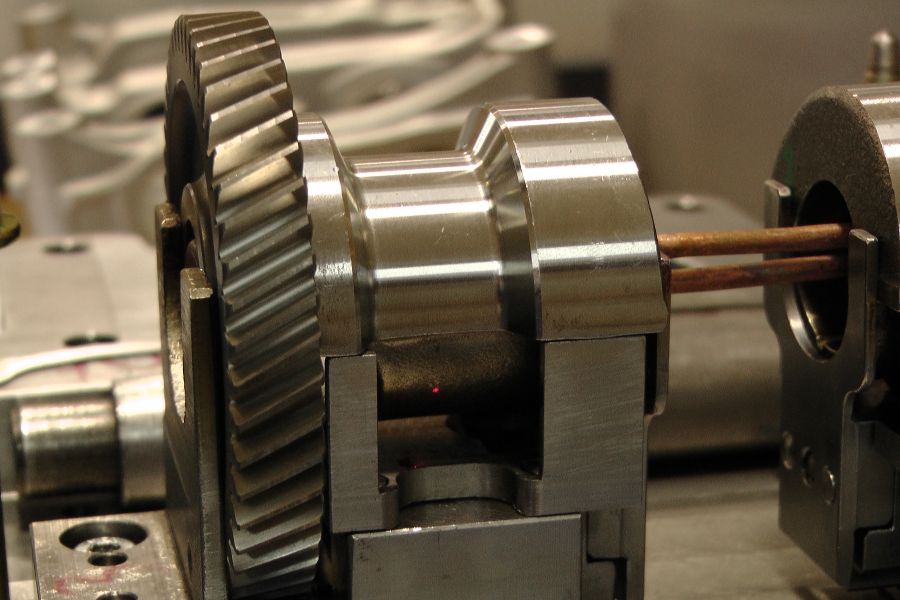
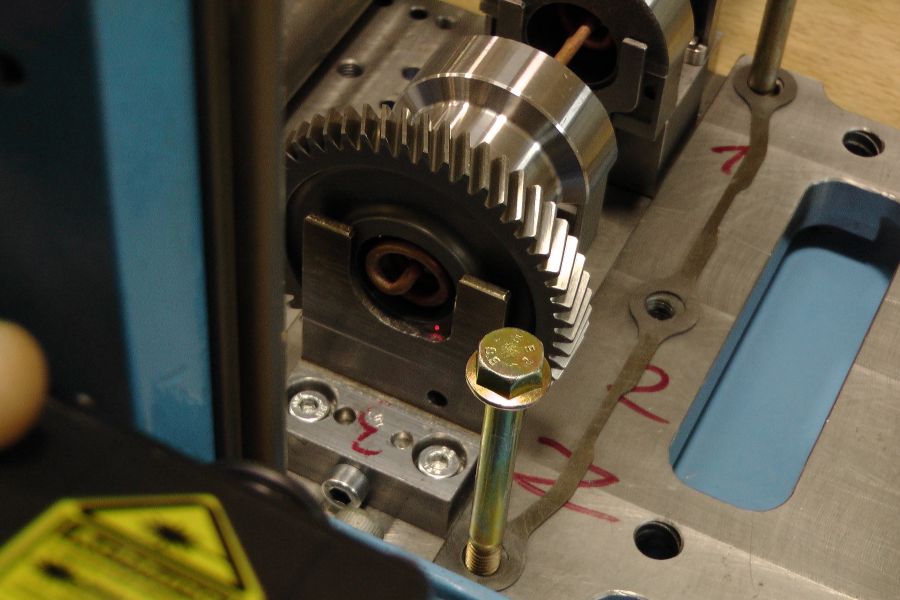
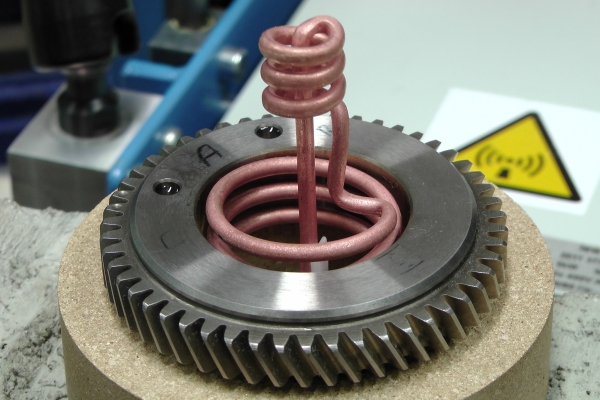
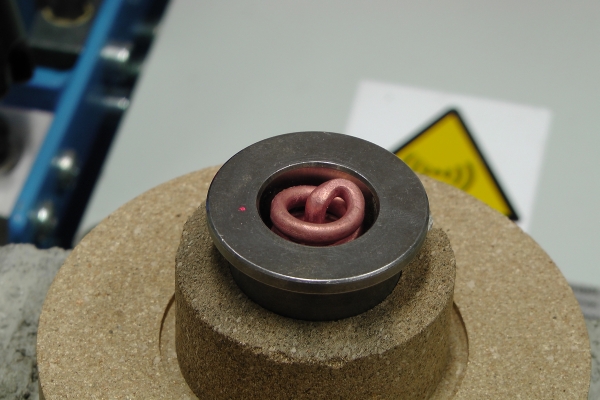
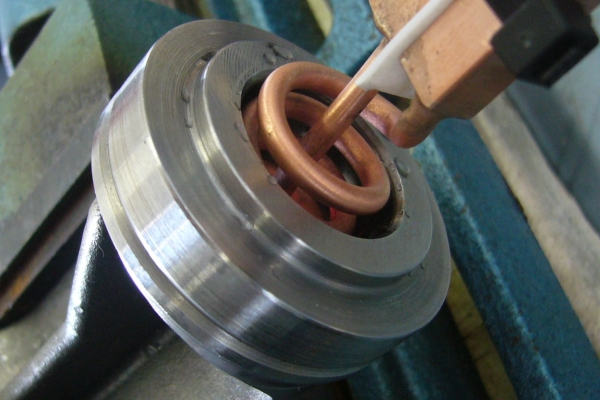
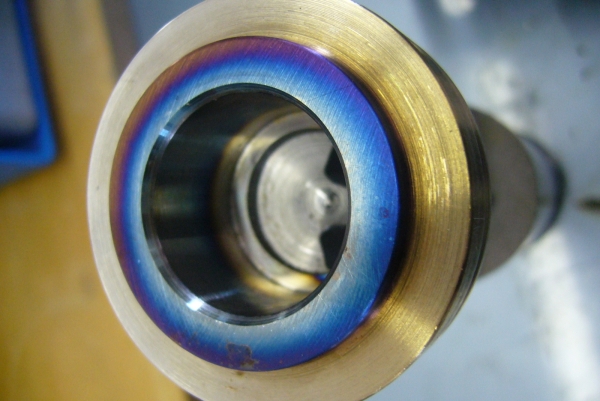
The shrink fitting of two workpieces (e.g. gearwheel, unbalanced mass, shaft, etc.) creates a friction-locked connection. This method is based on the principle of the thermal expansion of metals.
For example, when a gearwheel is heated to a temperature at which its inner bore expands enough to be easily placed onto a shaft, and then cooled, the bore contracts to form a secure, friction-locked fit with the shaft.
At room temperature, these components could only be joined with considerable force, which may result in damage to the fitting surface (e.g. scoring). Using the induction heating method allows for a faster, safer, and more precise assembly process.
Advantages of induction shrink fitting
- Fast, targeted heating – only the joining part is heated, not the entire assembly
- Short cycle times – suitable for series production and assembly lines
- Non-destructive joining – no scoring or damage as with cold assembly under force
- Reproducible temperature control – for a consistent fit and joint strength
- Releasable connection – the shrink fit can be released again by reheating if needed
Typical applications
Shrink fitting is used wherever hubs, gears, bearings, bushings or unbalanced masses need to be joined firmly and permanently onto shafts, for example in machine and gearbox construction as well as in drive engineering.
FAQ on induction shrink fitting
How much does a component expand during shrink fitting?
This depends on material, component geometry and the selected temperature. We determine heating temperature and time to match the required bore expansion.
Can a shrink fit be released again?
Yes, by reheating the outer part in a targeted way, the connection can generally be separated again without damage.
Is the process suitable for series production?
Yes. Thanks to the short, targeted heating, shrink-fitting processes integrate well into automated assembly lines.
Planning a shrink-fitting process? Talk to us – we will show you which system and temperature control suit your component pairing.