Science and material testing
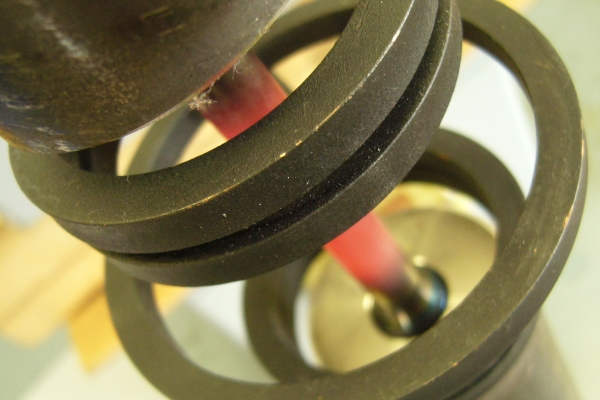
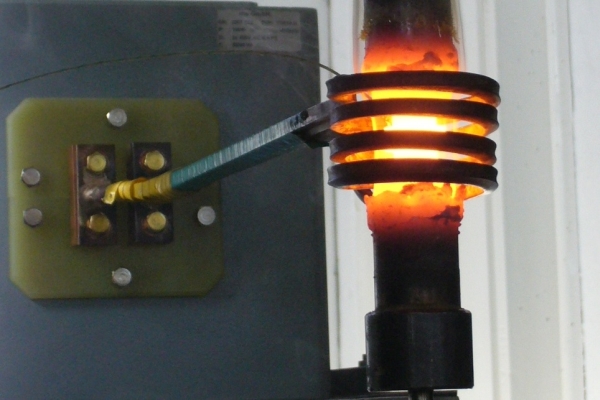
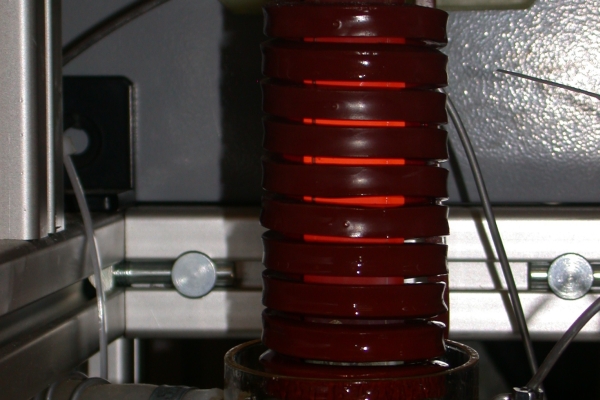
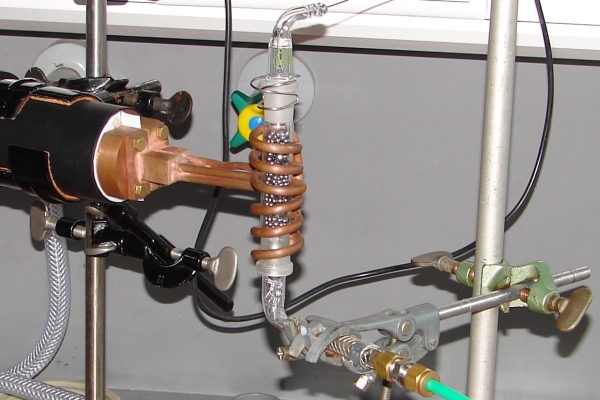
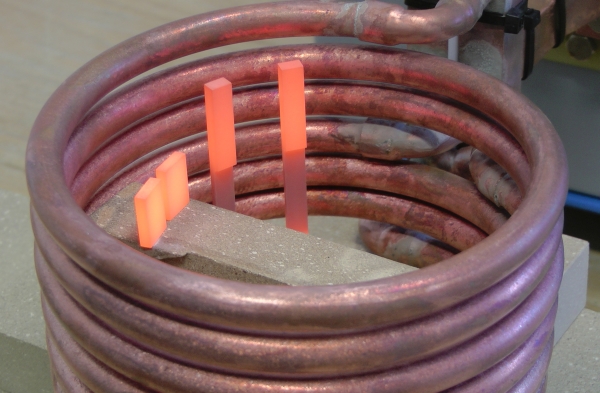
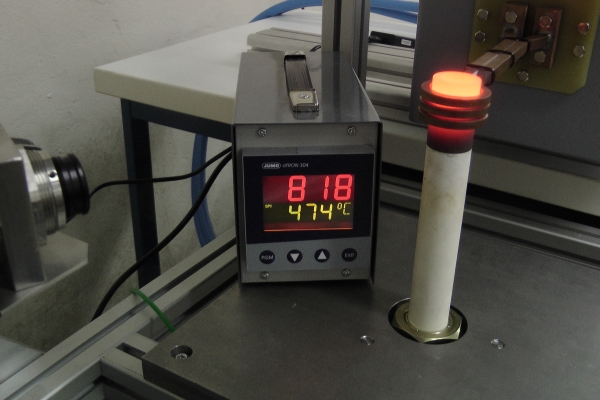
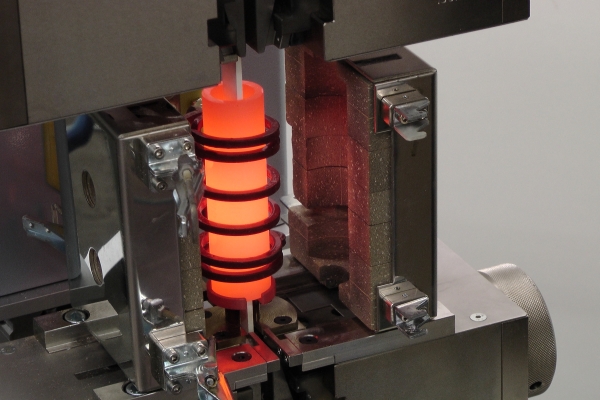
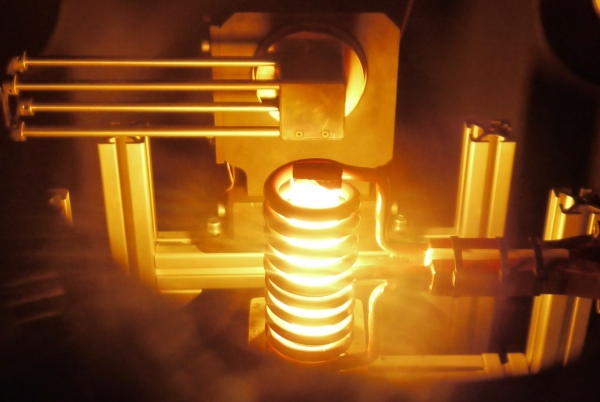
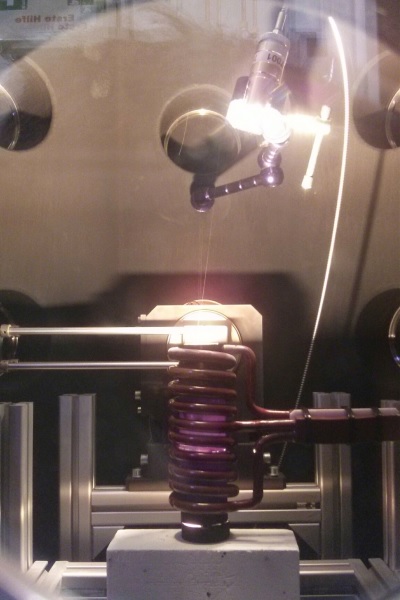
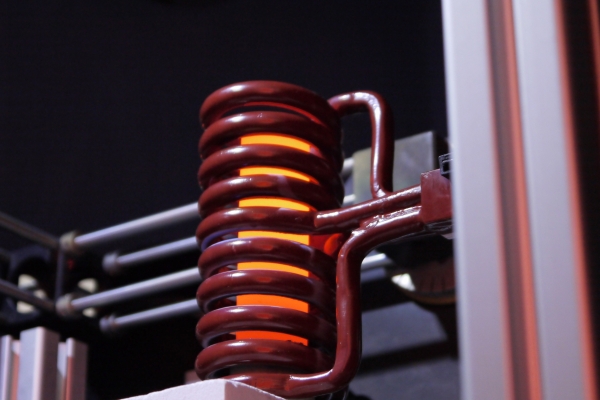
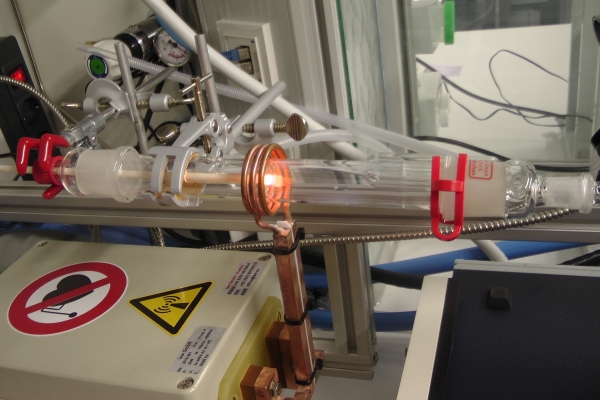
Even in scientific research and material testing, induction heating offers a wide range of applications. For example, metal specimens are heated for experimental purposes and then subjected to mechanical stress tests such as determining shear strength, tensile strength, or the coefficient of thermal expansion.
When a high temperature gradient is required, induction heating is usually preferred over conventional furnace heating. It enables rapid and reproducible heating — often robot-controlled — ensuring stable process parameters while reducing both time and costs. However, it should be noted that the temperature homogeneity of induction heating can never be guaranteed to the same extent as with furnace heating.
Extended test durations can also negatively affect the metallurgical properties of the specimens, such as precipitation, coarsening, recrystallization, and creep behavior.
FAQ on science and material testing applications
How reproducible is induction heating for scientific test series?
Very reproducible: temperature, heating rate and holding time can be set precisely and repeated identically for each test specimen. This is especially important for test series with many repetitions, ensuring comparable, reliable measurement results.
What are the advantages over furnace heating for sample preparation?
Induction heating heats up considerably faster and can be precisely confined to the test specimen. This noticeably shortens test times and reduces unwanted metallurgical changes that can occur during long furnace exposure, such as precipitation, coarsening or recrystallization.
What test methods is induction heating typically used for?
Common applications include determining tensile and shear strength as well as expansion coefficients, often as part of automated, robot-guided test procedures with high sample throughput.
Planning a test series using induction heating? Talk to us – we will align the heating parameters with your test setup.