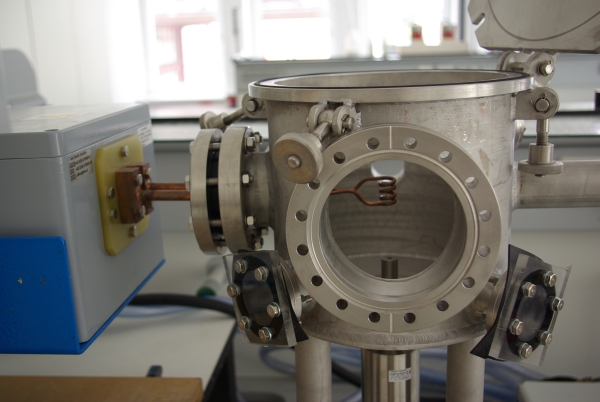
Inert Gas and Vacuum Technology
Special materials or specific application areas often require specialized processing methods.
The flux used in conventional brazing processes is frequently the cause of corrosion and burn marks on the workpiece. Inclusions of flux can also impair the mechanical properties of the component. Additionally, the presence of oxygen in the atmosphere can lead to discoloration of the workpiece surface.
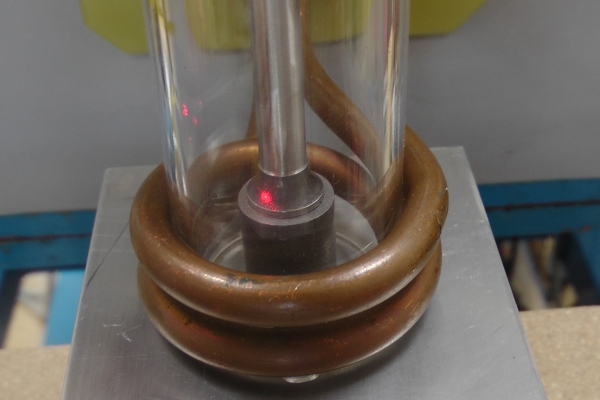
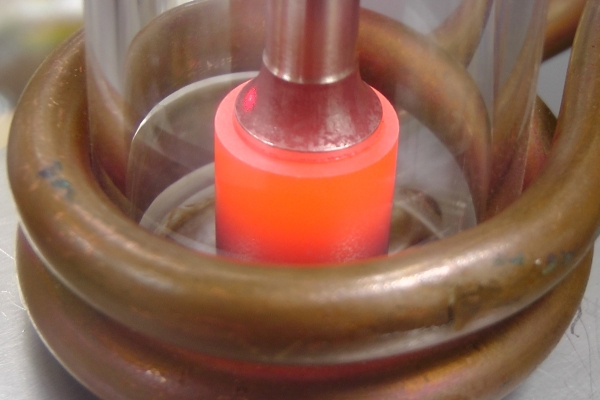
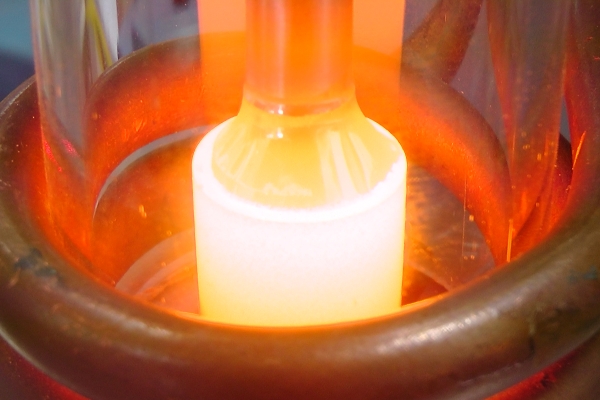
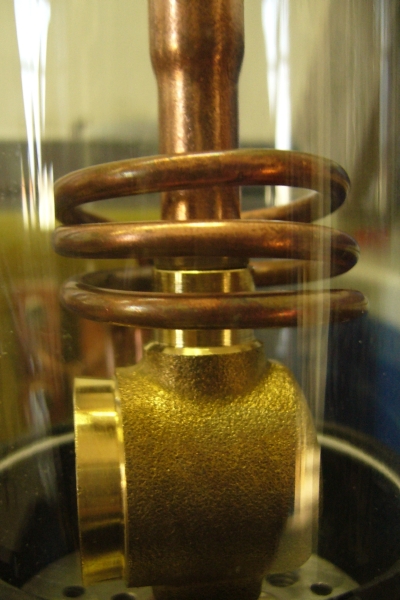
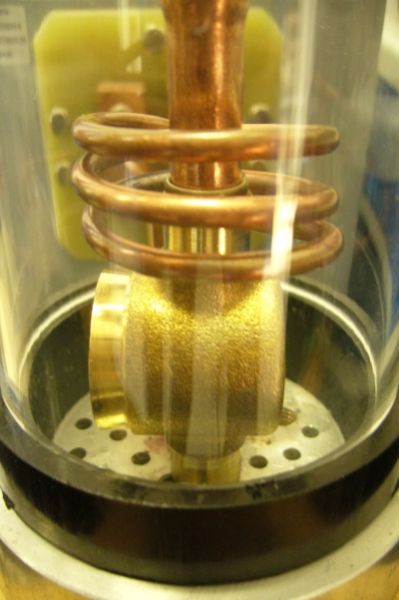
These issues can be effectively avoided by brazing under inert gas or vacuum. The inert gas brazing process is highly compatible with induction heating, as no open flame is present during the process and the gas flow conditions can be precisely controlled.
Advantages of inert gas and vacuum in combination with induction
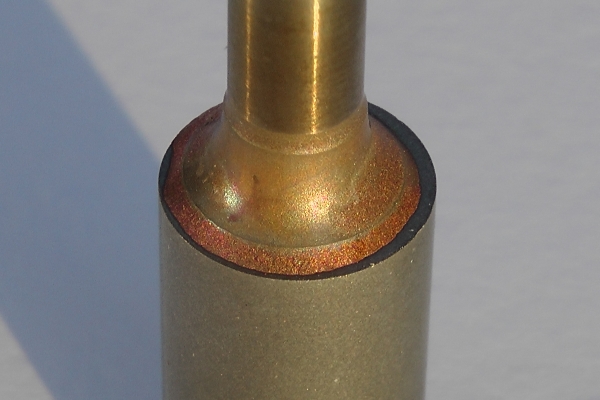
- Bright, oxide-free surfaces – no discoloration from atmospheric oxygen
- No flux required – therefore no flux residue or corrosion in the component
- Controlled gas flow conditions – targeted pre- and post-flushing with inert gas, for example nitrogen
- Reproducible process control – through PLC-controlled sequences for heating, holding and flushing
Typical applications
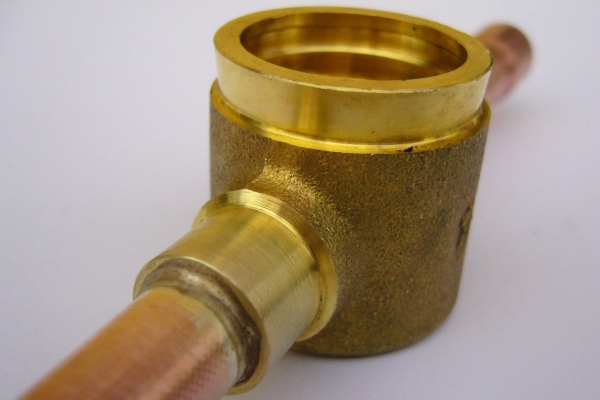
Inert gas and vacuum technology combined with induction is used wherever high-quality, visually clean and media-resistant joints are required, for example when brazing stainless steel, copper or titanium components for medical technology, vacuum technology or scientific applications. The process is also the first choice for components that should not require any post-processing such as cleaning or descaling afterwards.
FAQ on inert gas and vacuum brazing
When is inert gas brazing worthwhile compared to conventional flux brazing?
Whenever discoloration, flux residue or corrosion need to be avoided, or when post-cleaning of the component would be too costly or undesirable.
Which inert gases are used?
Nitrogen is most commonly used for pre- and post-flushing. Depending on material and requirements, we determine the right gas and process sequence together with you.
Do you also offer vacuum brazing systems?
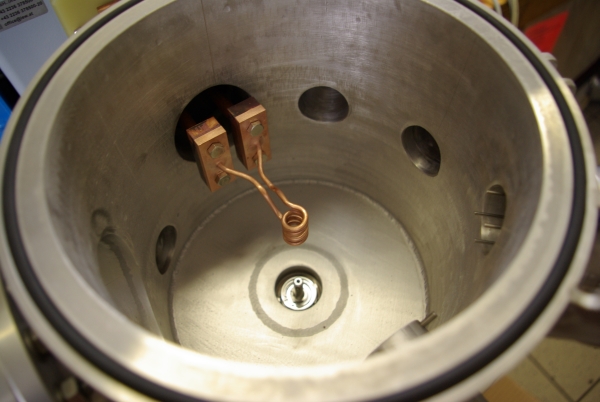
Yes, with our vacuum brazing systems VVBM150 and VVBM200 we achieve high-quality, clean brazed joints entirely without flux and without discoloration.
Planning a brazing process under inert gas or vacuum? Talk to us – we will show you which process suits your component.